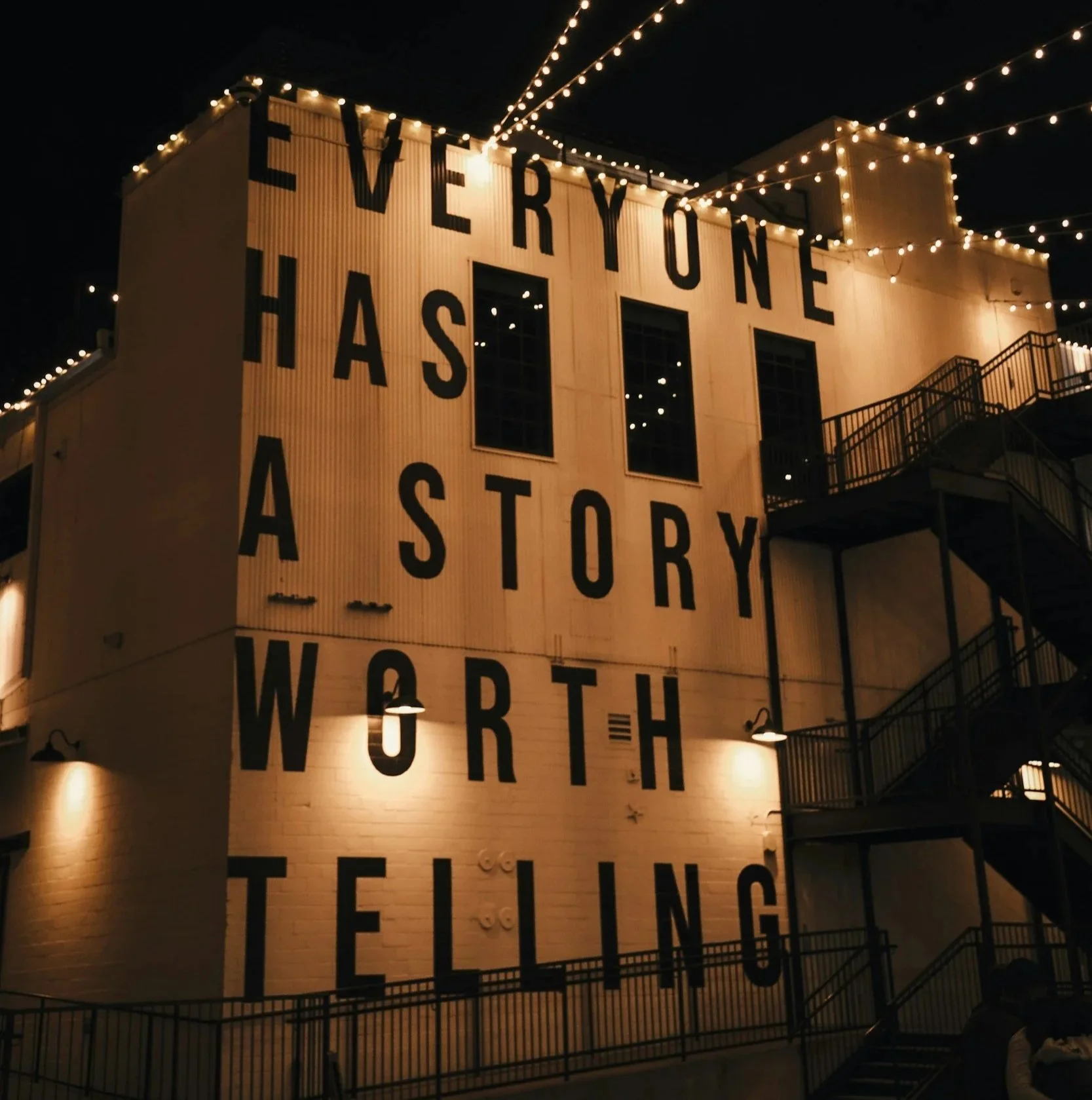
Storytelling for your Audience
Organisations often speak clearly but not always in ways their audiences truly hear. As a storytelling strategist, I help marketing and communications teams identify the gap between how they see themselves and how their audiences perceive them; craft audience-centric narratives that evoke insight and behaviour change; audit existing content for clarity, coherence, and impact; set a clear ‘Theory of Change’ and engage stakeholders with purpose and consistency. The result is storytelling that feels authentic, human and strategically grounded.
Services

-
A facilitated discovery phase combining group workshops and in-depth interviews with internal and external stakeholders to build a clear, honest picture of your organisation’s current story.
This process explores:
How you see yourselves
How you are perceived by key audiences
Strengths, gaps, and tensions in existing narratives
Findings are presented as a storytelling audit, including SWOT analysis, audience perceptions, and clearly articulated goals—providing a grounded starting point for meaningful change.
-
A strategic framework that reshapes your storytelling from the audience’s point of view, rather than the organisation’s.
Together, we identify:
What matters most to your audiences
Where engagement is being lost
Which narratives are most likely to build trust and inspire action
The outcome is a clear storytelling strategy that supports effective, ethical, and purposeful engagement.
-
Support to create or reimagine your Theory of Change, translating complex ideas, ambitions, and activities into a coherent, accessible narrative.
This work helps organisations:
Clarify purpose and intent
Align internal understanding
Communicate impact more effectively to external audiences
-
Practical, interactive workshops that equip staff across the organisation with listening and storytelling skills.
These sessions strengthen:
Audience awareness
Narrative clarity
Confidence in communicating purpose and impact
Participants learn how to listen first, then tell stories that are authentic, consistent, and human.